Example – Content Delivery Pricing
Company A is using Simonsoft Content Delivery for a public documentation portal, where they publish user manuals, datasheets and spare part manuals in web and PDF format.
Example with a public microsite and purchased additional reserved capacity
Company A buys a public microsite (CDN-200–PUB) and two traffic units. The reserved capacity included in each package is added to form a total reserved capacity.
Order code |
Stored GB |
Topic Count |
Transferred GB |
Content Requests |
Search Requests |
CDN-200–PUB |
500 |
75 000 |
250 |
300 000 |
50 000 |
CDN-200–TR-1 |
250 |
300 000 |
50 000 |
||
CDN-200–TR-1 |
250 |
300 000 |
50 000 |
||
Total Reserved Capacity |
500 |
75 000 |
750 |
900 000 |
150 000 |
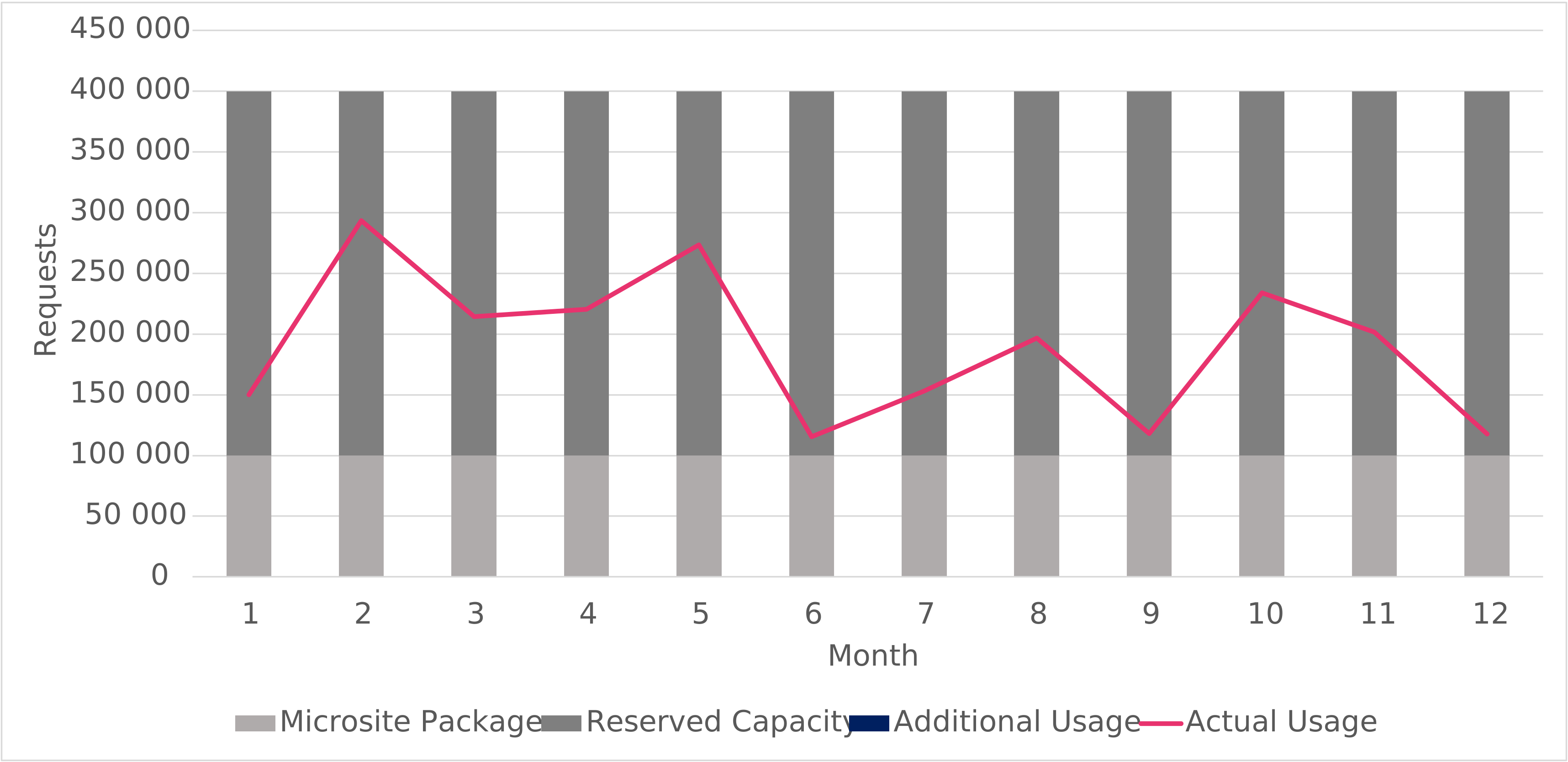
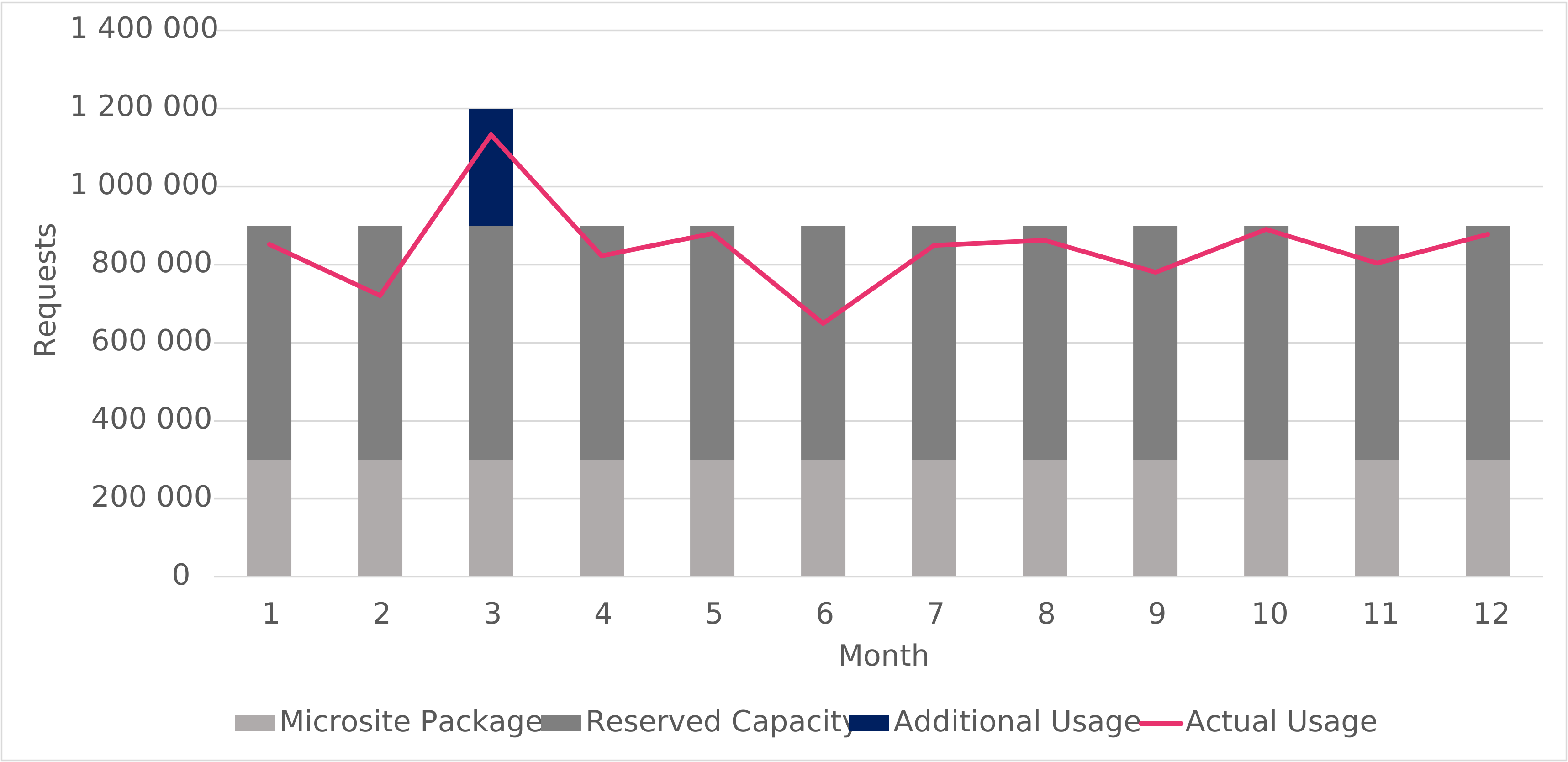
As an example, we will look at the metric Content Requests. The figure below shows the actual usage and the reserved capacity. The actual usage exceeds the reserved capacity in month 3. The reserved capacity is 900 000 whereas the actual traffic is 1 150 000 content requests (exceeded by 250.000 requests). This will render an invoice for an additional unit of traffic for that month.
Example with a internal microsite (one unit of additional reserved capacity)
Company B buys an internal microsite (CDN-200–INT) accessible to the complete company using their Microsoft Entra SSO. They also purchase one traffic unit. The reserved capacity included in each package is added to form a total reserved capacity.
Order code |
Stored GB |
Topic Count |
Transferred GB |
Content Requests |
Search Requests |
CDN-200–INT |
500 |
75 000 |
50 |
100 000 |
25 000 |
CDN-200–TR-1 |
250 |
300 000 |
50 000 |
||
Total Reserved Capacity |
500 |
75 000 |
300 |
400 000 |
75 000 |
As an example, we will look at the metric Content Requests. In this example, the actual usage is within the reserved capacity for all three months. No additional usage will be charged.